Introduction
Several years ago, I visited a large dairy farm in Eastern Europe. I remember standing in a pen of recently weaned calves, talking with a colleague about what we saw on the bedding. At first glance, it was nothing unusual—just manure on top of straw. But to someone who works with calves, it told a very different story. The manure was a clear indication that something was wrong with digestion and, ultimately, with the diet those calves were receiving.
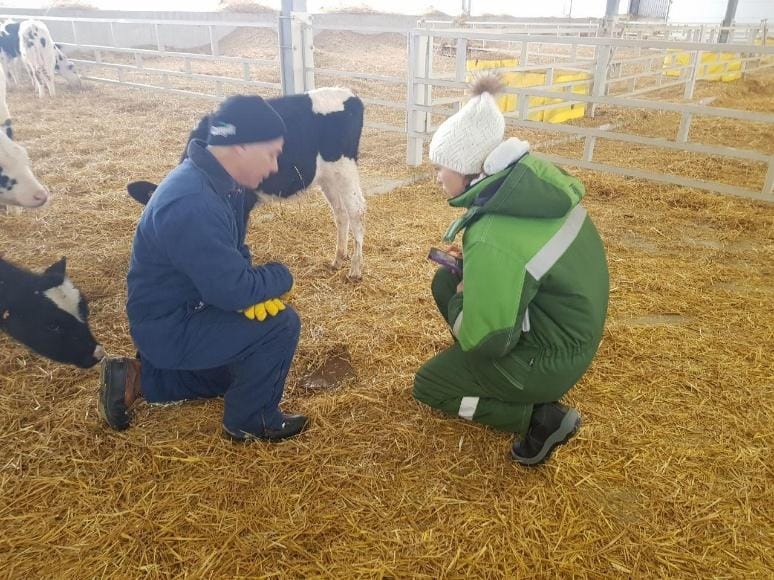
Over the years, I’ve collected many photos like this from farms around the world. They may not be the most glamorous images to bring home from international travel, but they are often the most informative. Manure, when we take the time to look closely, can reveal a great deal about how well calves are functioning nutritionally.
A Common Scenario
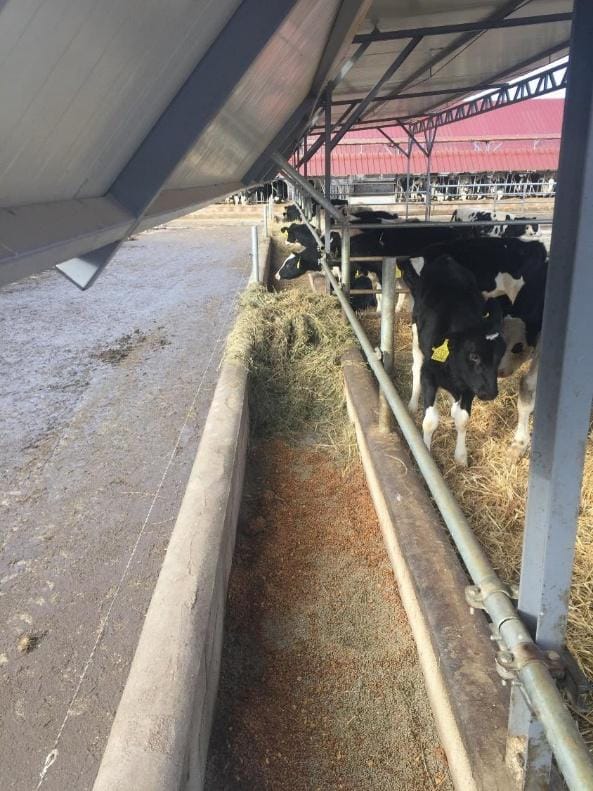
On another farm, this time in Asia, I saw a situation that helps explain what was happening. The calves had just been weaned and moved from individual hutches into a group pen. At the same time, their diet was changing. The producer transitioned them from a textured calf starter to a pelleted grower feed and began offering forage for the first time.
On paper, this might seem like a reasonable approach. The calves had access to forage, and the grower feed was readily available in the bunk. However, access does not always translate into intake. In this case, the calves consumed very little forage and instead ate mostly the pelleted feed, which was relatively high in starch. Compounding the problem, these calves had been weaned only a few days earlier, and their rumens were not yet fully developed.
What the Manure Told Us
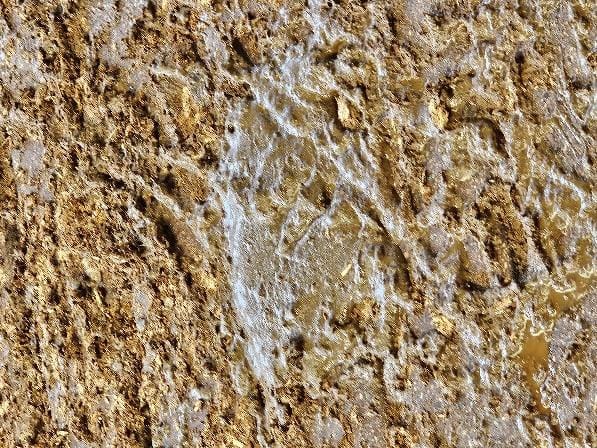
The most revealing evidence came from the manure. When examined closely, it contained small bubbles. These bubbles are produced when bacteria ferment undigested nutrients—particularly starch—in the lower digestive tract, releasing gases such as carbon dioxide and methane.
This observation is more than a curiosity. It indicates that a portion of the starch in the diet is not being properly fermented and absorbed in the rumen. Instead, it passes through the digestive system and is fermented later, where it contributes little to the calf’s growth. In practical terms, nutrients are being wasted, and the calf is not performing as efficiently as it could.
What’s Happening Inside the Calf
The underlying issue is a disturbance in rumen fermentation. When calves consume large amounts of highly fermentable carbohydrates, the rumen microbes rapidly produce volatile fatty acids, particularly propionate and butyrate. This process lowers rumen pH.
In a well-developed rumen, several mechanisms help keep pH in a healthy range. Volatile fatty acids are absorbed across the rumen wall, and saliva provides buffering capacity. However, in recently weaned calves, these systems are not yet fully functional. Absorption is limited, and saliva production may not be sufficient to offset the acid load.
As rumen pH declines, conditions become unfavorable for fiber-digesting bacteria and protozoa. Fermentation patterns shift further, and in more severe cases, lactic acid may accumulate. The end result is rumen acidosis. One visible consequence is the passage of undigested starch into the feces, where it can be fermented by microbes, producing the bubbles we observe.
An Increasingly Common Problem
Situations like this are becoming more common, particularly on farms that feed higher volumes of milk before weaning. These calves often have less incentive to consume starter feed early in life, which can delay rumen development. When they are weaned and suddenly exposed to dry feeds—especially those high in starch—they may not be physiologically prepared to handle the change.
Without sufficient rumen development and without adequate physically effective fiber in the diet, the risk of acidosis increases.
Learning from What We See
Manure is one of the simplest and most valuable diagnostic tools available on a farm. It reflects what is happening inside the animal in real time. When feces contain bubbles, it is a strong indication that fermentation is occurring in the wrong place and that nutrients are being lost.
Observations like these should prompt us to take a closer look at the diet and feeding program. Are calves consuming enough fiber? Has the transition at weaning been too abrupt? Is the rumen ready for the type of feed being offered?
Managing the Transition
The period around weaning is one of the most critical stages in a calf’s development. Diets should be designed not only to provide nutrients but also to support the development and function of the rumen.
One practical approach is to include a modest amount of effective fiber in the diet. For example, incorporating chopped grass hay at approximately ten percent of a dry total mixed ration can help stabilize rumen fermentation. Fiber stimulates chewing and saliva production, both of which contribute to maintaining a more stable rumen pH. It also supports the growth and activity of fiber-digesting microbes, which are essential for long-term rumen health.
Simply offering forage free-choice may not be sufficient, as calves do not always consume it in appropriate amounts. Integrating fiber directly into the ration can help ensure more consistent intake.
Take-Home Message
Calves require a careful balance of nutrients and physical characteristics in their diet, especially during the transition from milk to solid feed. While energy-dense feeds can support growth, they must be complemented with enough fiber to maintain normal rumen function.
A simple observation—such as bubbles in manure—can provide an early warning that this balance has been disrupted. Paying attention to these signs allows us to make timely adjustments and improve both efficiency and animal performance.
Calves, it turns out, benefit from a little cellulose in their diet. Left entirely to their own choices, they may not always make the best decisions. It’s up to us to design feeding programs that guide them in the right direction.